
Anara: review, pricing and alternatives
What is Anara AI?
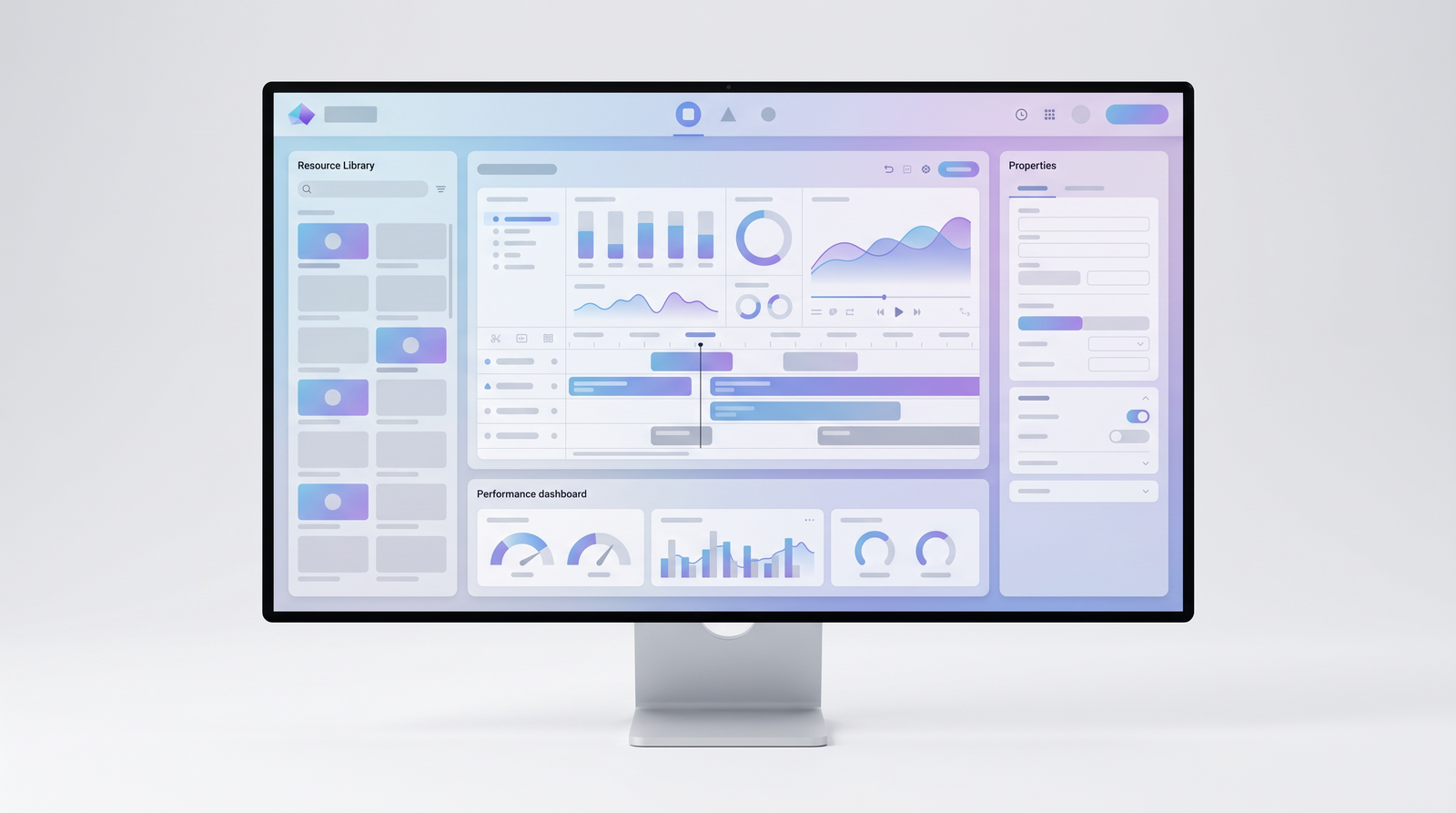
When I first heard about Anara AI, I was intrigued because it wasn't just another general-purpose chatbot. Anara positions itself as a highly specialized AI research assistant, a tool meticulously designed for the rigorous demands of academic and scientific inquiry. It’s not about generating creative fiction or answering trivia; its core purpose is to accelerate and streamline the research process, particularly focusing on document analysis and literature reviews.
You might recognize its former name, Unriddle AI, which was rebranded to Anara in March 2025. This change signifies a maturation and a clearer focus on its niche. What sets Anara apart, in my experience, is its commitment to being a source-accountable AI. This means it doesn't just give you answers; it grounds those answers directly in the documents you provide, aiming to minimize the 'hallucinations' that plague many general AI models.
My take is that Anara is built for those of us who spend countless hours sifting through papers, books, and various other research materials. It's meant to be that intelligent assistant that helps you make sense of a vast library of information, extracting key insights and helping you organize your findings, rather than just serving as a glorified search engine.
Key Features for Researchers
The suite of features Anara offers is clearly tailored with the academic workflow in mind, and I've found several to be particularly impactful. At its heart, Anara provides AI-powered document understanding. This isn't just for PDFs, which is standard, but also extends to images, audio recordings, and even video files. Imagine uploading a lecture recording or a scanned historical document and having the AI process its content – that's a significant time-saver.
One of the standout functionalities for me is its ability to assist with literature review generation. Instead of manually synthesizing information from dozens of papers, Anara can help you identify themes, connections, and even draft sections, all while referencing its sources. This ties directly into its promise of source accountability, as it’s designed to provide citations for the information it presents, allowing for easy verification.
While Anara does offer capabilities for citation management, it's an area where some users, myself included, might lean on dedicated tools like Mendeley or Zotero for advanced features. However, for quickly gathering relevant citations based on your writing or documents, it’s quite useful. Beyond that, Anara includes collaborative tools, especially in its Team plan, which allow for shared workspaces and real-time editing – a boon for research groups. It also boasts the ability to search across your entire uploaded library using AI, making it much easier to find specific information buried deep within your documents.
How Anara AI Works: Getting Started
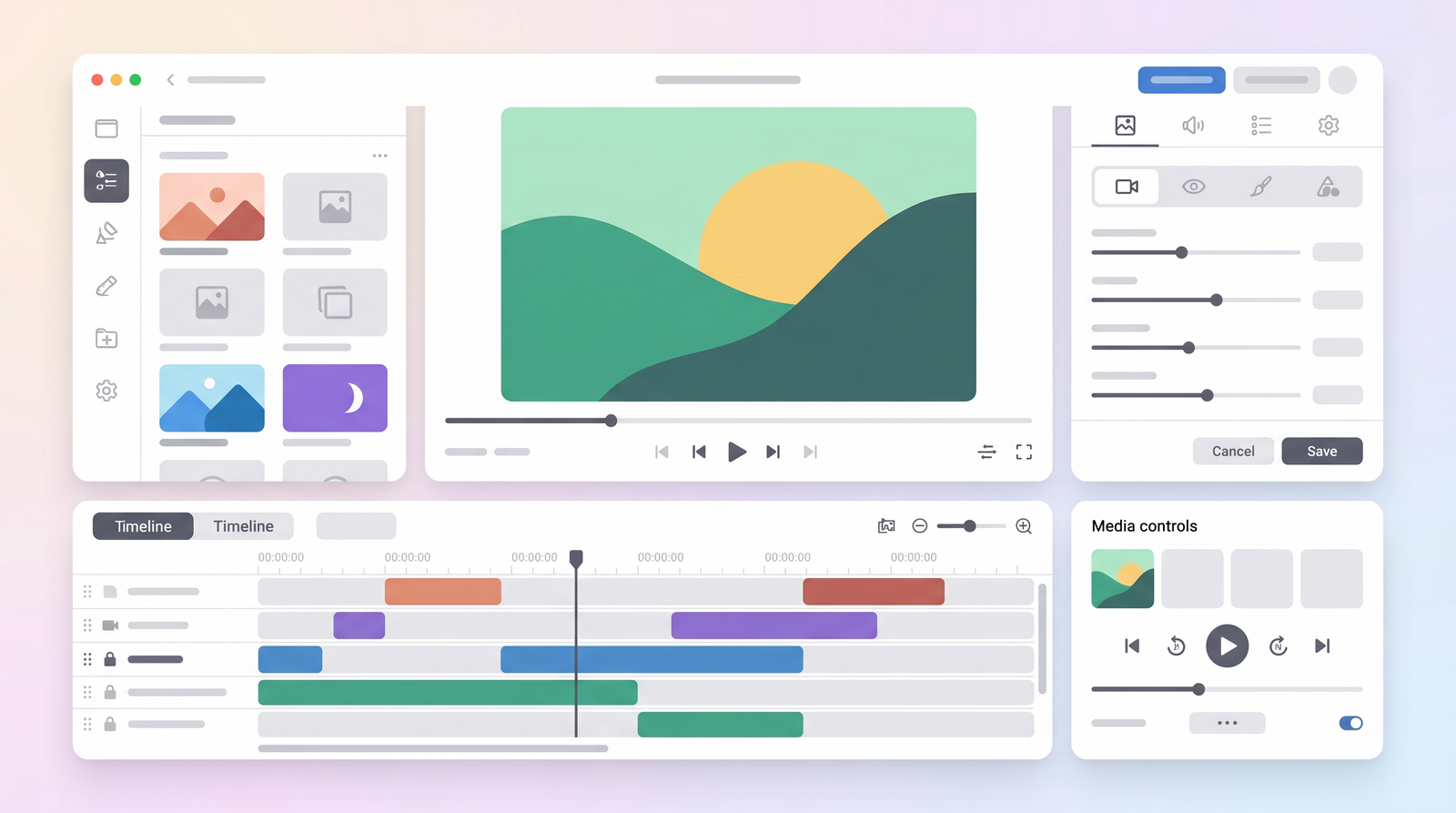
Getting started with Anara AI is surprisingly straightforward, which is a big plus when you're already bogged down with research. The user workflow typically begins with uploading your research materials. Anara is quite flexible here; you can upload a variety of file types, including PDFs, images, audio files, and even video. I've found it particularly useful for digitizing and processing older, scanned documents that might not be perfectly formatted.
Once your documents are in, the real magic begins. You can then interact with the AI by asking questions about your uploaded content. For instance, I might ask, "What are the main arguments presented in these five papers regarding climate change policy?" Anara will then process the information within those specific documents and provide an answer, often with direct citations back to the source material. This contextual understanding is what makes it powerful – it's not pulling information from the internet at large, but from your curated library.
You can also use it to search across your entire library, which acts as your personal knowledge base. This means if you've uploaded hundreds of papers, you can query your entire collection for specific concepts or keywords, getting insights that would take days to unearth manually. The insights generated, whether summaries, extracted data, or comparative analyses, are designed to be grounded in your sources, helping you to quickly understand complex topics and generate well-cited drafts for your own writing.
Pricing and Plans: Is Anara Free?
One of the first questions I had, like many, was about Anara's cost, especially given the prevalence of freemium models in AI tools. I can confirm that Anara AI does offer a free research plan, which is a great way to test the waters without commitment. However, as you'd expect, this free tier comes with specific limitations. Typically, users on the free plan might be limited to around 1000 AI words per day and a certain number of file uploads, perhaps five per day.
For those of us with more extensive research needs, Anara provides paid subscription tiers: Pro and Team. The Pro plan significantly expands your capabilities, offering unlimited AI words and file uploads. It also grants access to premium AI models and allows for much larger file sizes, which is crucial if you're dealing with extensive datasets or lengthy documents. This is where I found the real value for sustained, heavy use.
The Team plan is designed for collaborative environments, such as research groups or academic departments. It includes all the benefits of the Pro plan but adds essential features like direct team collaboration tools, shared workspaces, administrative controls, and dedicated support. This makes it a powerful option for institutions or teams working on large-scale projects. Here's a quick overview:
| Plan | Price | Best for |
|---|---|---|
| Free | $0/month | Individuals exploring Anara's capabilities, light research tasks, daily limits. |
| Pro | $20/month | Serious individual researchers, PhD students, unlimited AI words/uploads, premium models. |
| Team | Per-seat subscription | Research groups, academic departments, collaborative projects, shared workspaces. |
Anara's Strengths: Why Academics Use It
From my perspective, Anara's biggest strengths lie in addressing some of the most persistent pain points in academic research. What I keep coming back to is its emphasis on source accountability. In an era where AI can sometimes invent facts, Anara's design to ground its responses directly in your uploaded documents is a massive advantage. It means when it provides an answer or a summary, it's typically referencing specific pages or sections of your own research, which is invaluable for verification and building trust.
This focus on grounding information also leads to greater accuracy in document analysis. I've found it to be more reliable in extracting precise details and understanding the nuances of academic texts compared to general-purpose AI. This directly translates to a significant reduction in AI hallucinations, a common frustration with less specialized tools. For anyone conducting serious research, knowing that the AI isn't fabricating information is paramount.
Ultimately, Anara delivers substantial efficiency gains. It truly helps you quickly understand papers, books, and even audio/video content, organize your findings, and draft well-cited sections. This saves countless hours that would otherwise be spent manually sifting through dense material, allowing researchers to focus more on critical thinking and analysis rather than just information retrieval. For PhD students and academics juggling multiple projects, this efficiency is a game-changer.
Potential Limitations and Considerations
While Anara AI offers impressive capabilities, it's important to approach it with a realistic understanding of its limitations. One crucial point, as noted by some users and in my own experience, is that it doesn't entirely replace human judgment. AI is an assistant, not a substitute for critical thinking. For instance, while it can generate literature review sections, the nuanced interpretation, synthesis, and argumentative structure still require a human touch to truly excel.
Another area where Anara might not fully replace dedicated tools is advanced citation management. While it helps with citations, I still find myself relying on robust reference managers like Mendeley or Zotero for their comprehensive features, such as advanced formatting, collaborative libraries, and seamless integration with word processors. Anara's citation features are good for quick referencing within its ecosystem, but for managing a vast personal bibliography or complex citation styles, specialized tools often offer more depth.
Finally, while Anara aims to reduce hallucinations, no AI is infallible. It's always wise to cross-reference critical information, especially when dealing with highly specialized or novel concepts. It's a powerful tool for accelerating your work, but it's essential to remember that the ultimate responsibility for accuracy and scholarly rigor still rests with the researcher.
Who is Anara AI Best For? Use Cases
Based on its design and my experience, Anara AI is unequivocally best suited for specific audiences and use cases within the academic and research spheres. Its primary audience consists of academics, PhD students, and professional researchers who are regularly engaged in extensive literature reviews and document analysis. If your work involves synthesizing information from a large volume of scholarly articles, books, or diverse data sources, Anara is built for you.
I've found it particularly excels in scenarios like comprehensive literature reviews. Instead of spending weeks manually reading and cross-referencing, Anara can help identify key themes, summarize arguments, and highlight connections across dozens, or even hundreds, of documents much faster. This makes it an invaluable asset for the initial stages of a thesis, dissertation, or major research project.
Other specific use cases where Anara shines include:
- Thesis and Dissertation Writing: Helping to organize vast amounts of research, extract relevant data, and draft well-cited sections.
- Grant Proposal Development: Quickly identifying gaps in current research or summarizing existing literature to support new proposals.
- Systematic Reviews: Streamlining the process of screening and extracting data from a large body of evidence.
- Knowledge Organization: Building a searchable, AI-powered knowledge base from your personal research library.
Essentially, if you're drowning in documents and need an intelligent assistant to help you make sense of it all, Anara AI is designed to be your lifesaver.
Anara AI Alternatives and Comparisons
When considering Anara AI, it's natural to compare it with other tools in the burgeoning AI research landscape. You'll find a spectrum ranging from specialized research assistants to more general-purpose AI platforms. Tools like SciSpace and PaperLens offer similar functionalities, focusing on academic paper analysis and literature review. However, Anara's strong emphasis on source accountability and its ability to process diverse media types (audio, video, images) often gives it an edge in specific scenarios.
Then there are general-purpose AI platforms like Google's NotebookLM or Perplexity. These are powerful, and NotebookLM, in particular, allows you to upload your own documents for AI interaction. However, Anara's specialization for research means it's often more finely tuned for academic workflows, with features specifically designed to reduce hallucinations and ensure citations are grounded in your provided texts. While Perplexity excels at broad information retrieval and agentic search, Anara's strength lies in deeply understanding and synthesizing *your* specific research library.
What sets Anara apart, in my view, is its dedicated focus on document analysis with a clear commitment to academic rigor. While other tools might be broader or more general, Anara carves out a niche as a trustworthy assistant for complex research tasks, especially when managing a large, diverse personal library. You can see how it stacks up against alternatives on Top10k, but for deep, source-grounded document interaction, Anara holds a unique and valuable position.
Performance and User Experience
My overall experience with Anara AI's performance and user interface has been largely positive. The tool is designed to be intuitive, which is crucial when you're already grappling with complex research topics. The learning curve for new users is relatively shallow; most common actions, like uploading documents or asking questions, are straightforward and don't require extensive technical knowledge.
In terms of efficiency, Anara truly shines when handling large volumes of research material. I've uploaded entire folders of PDFs, and the system processes them remarkably quickly, making them searchable and ready for AI interaction within minutes. This speed is a significant advantage, particularly for tasks like preparing for a comprehensive exam or starting a new literature review where you need to get a quick overview of a vast amount of information.
The interface is clean and uncluttered, focusing on functionality rather than extraneous features. Interacting with the AI feels natural, almost like chatting with a knowledgeable colleague who has read all your papers. While no software is entirely bug-free, my general impression is that Anara is robust and reliable, providing consistent performance. The ability to quickly get summaries, extract key arguments, and generate citations directly from your documents contributes significantly to a streamlined and efficient research workflow, making the overall user experience quite productive.
Is Anara AI Worth It? The Verdict
So, after putting Anara AI through its paces, is it worth the investment? My verdict is a qualified yes, particularly for its target audience. For academics, PhD students, and professional researchers who are constantly grappling with vast amounts of information and the arduous task of literature review, Anara offers undeniable benefits in terms of efficiency and accuracy. Its commitment to source accountability and reducing AI hallucinations is a major selling point, providing a level of trust often missing in general AI tools.
The free plan is a great starting point to explore its capabilities, but for serious, ongoing research, the Pro plan's unlimited usage and premium features quickly become indispensable. While it doesn't fully replace human critical judgment or specialized tools for advanced citation management, it acts as an incredibly powerful assistant that frees up valuable time for deeper analysis and creative thought.
If your workflow frequently involves synthesizing information from numerous documents, generating well-cited drafts, and needing a reliable AI to understand your specific research library, Anara AI is a highly valuable tool. It's an investment in your research productivity that can genuinely accelerate your work and improve the quality of your output. I recommend trying the free version to see how it fits into your unique research process, but be prepared to be impressed by its potential to transform how you engage with your academic materials.
Full profile and live ranking: https://top10k.com/ai/anara
Published by

Discover Top10k Tools — a suite of online utilities providing thousands of free online tools designed to save time on routine tasks.
It brings together content optimization, image processing, programming, calculations, and workflow tasks. All tools are free and browser-based, so there's nothing to install.
Top10k Tools is working toward building 10,000 free mini tools that solve real problems.
If your work happens online, there's likely a tool that fits. Jump in and start exploring.
Frequently asked questions
What is Anara AI?
Anara AI, formerly Unriddle AI, is a specialized AI research assistant designed for academics and researchers. Its core purpose is to help analyze documents, generate literature reviews, and organize research efficiently, all while grounding its responses in your uploaded sources to reduce AI hallucinations.
Is Anara AI free to use?
Yes, Anara AI offers a free plan with certain limitations, such as daily caps on AI words and file uploads. For more extensive research needs, it provides paid Pro and Team subscription plans with unlimited usage and additional features.
What types of documents can Anara AI analyze?
Anara AI can analyze a wide range of document types, including PDFs, images, audio recordings, and video files. This versatility allows researchers to process diverse forms of information within their personal library.
How does Anara AI help with literature reviews?
Anara AI assists with literature reviews by understanding your uploaded documents, identifying key themes, summarizing arguments, and helping to generate well-cited sections. It grounds its answers in your sources, making the review process faster and more accountable.
Can Anara AI replace dedicated citation managers like Zotero?
While Anara AI can help with generating citations based on your documents, it may not fully replace dedicated citation managers like Zotero or Mendeley for advanced features such as comprehensive bibliography management, complex formatting, or collaborative libraries. It's more of an aid within its ecosystem.
Who is the ideal user for Anara AI?
Anara AI is ideally suited for academics, PhD students, and professional researchers who regularly conduct extensive literature reviews, write theses or dissertations, and need to analyze and synthesize large volumes of diverse research materials efficiently and accurately.
How does Anara AI minimize AI hallucinations?
Anara AI minimizes hallucinations by grounding its responses directly in the specific documents you upload. Unlike general-purpose AIs that pull from vast internet data, Anara's answers and summaries are tied to your provided sources, allowing for verification and increasing reliability.
What are the main differences between Anara's Pro and Team plans?
The Pro plan offers unlimited AI words and uploads, premium AI models, and larger file size limits for individual researchers. The Team plan includes all Pro features plus dedicated tools for collaboration, shared workspaces, admin controls, and specialized support for research groups and institutions.